Food Culture
The traditions behind the menu — what is eaten, avoided, or offered, and why.
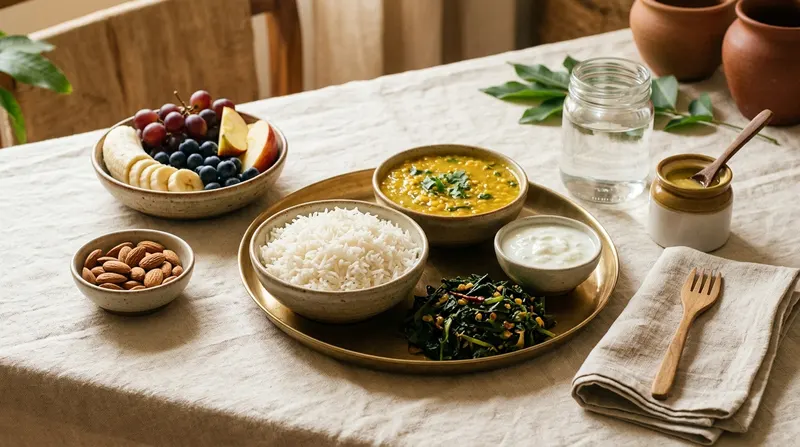
Sattvic Diet
The Hindu and yogic classification that sorts every food into three qualities — sattvic (clarity and calm), ra…
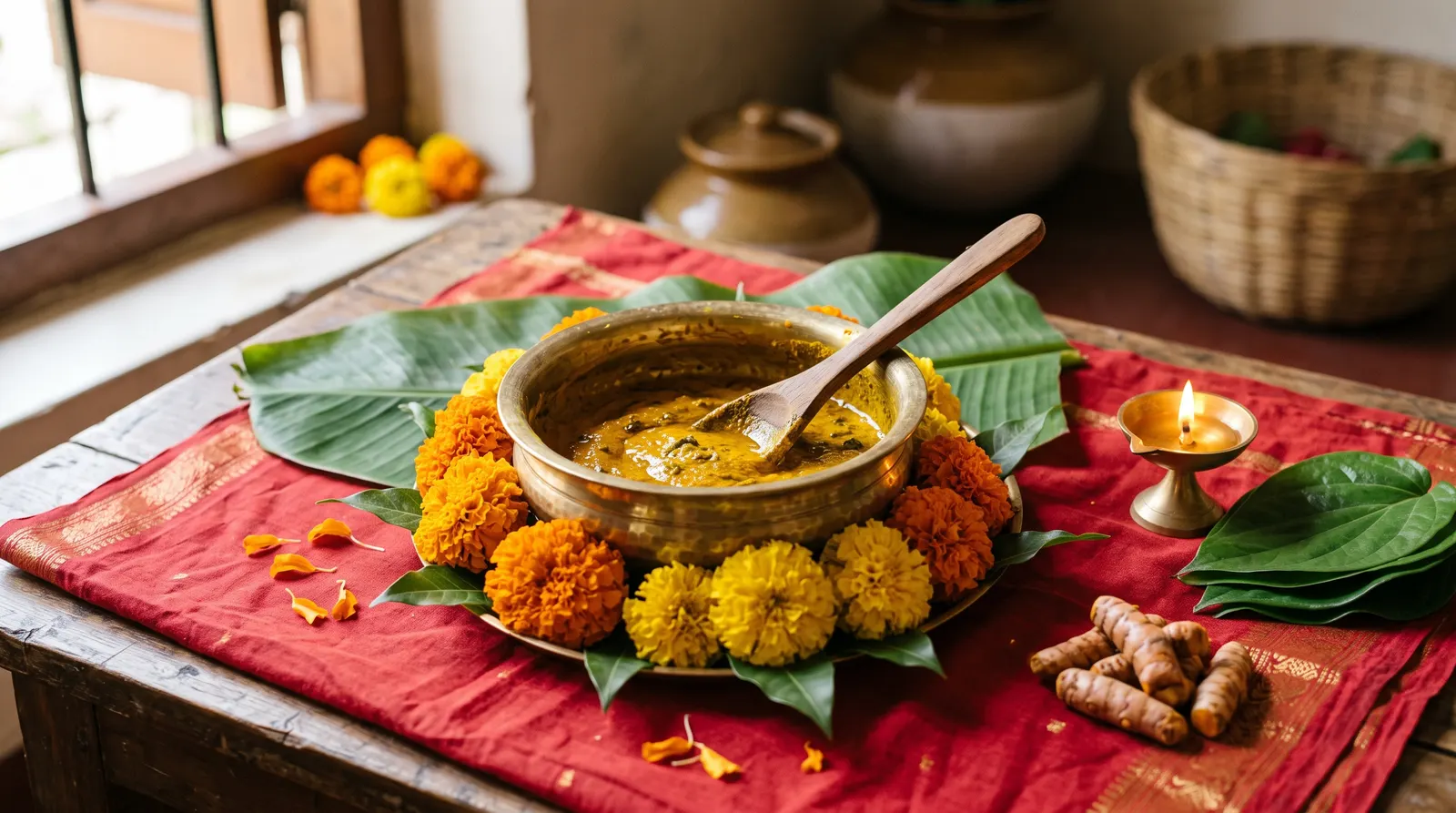
Turmeric in Hindu Tradition
Turmeric's place in Hindu life runs well beyond the spice tin: the same golden powder that colors a dal is an …
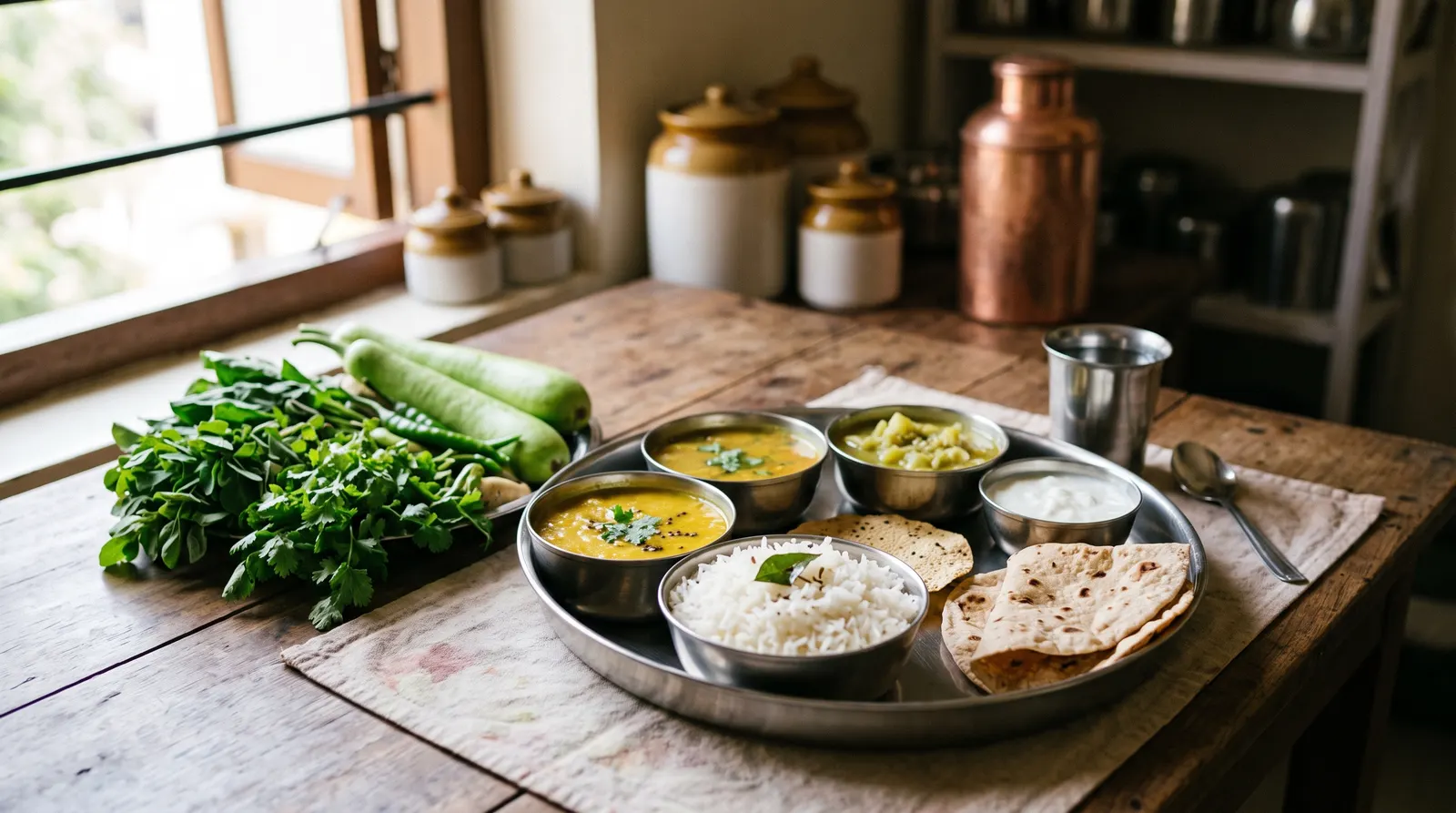
Jain Food Rules
The Jain diet is one of the strictest vegetarian traditions in the world, built on a single principle: ahimsa,…
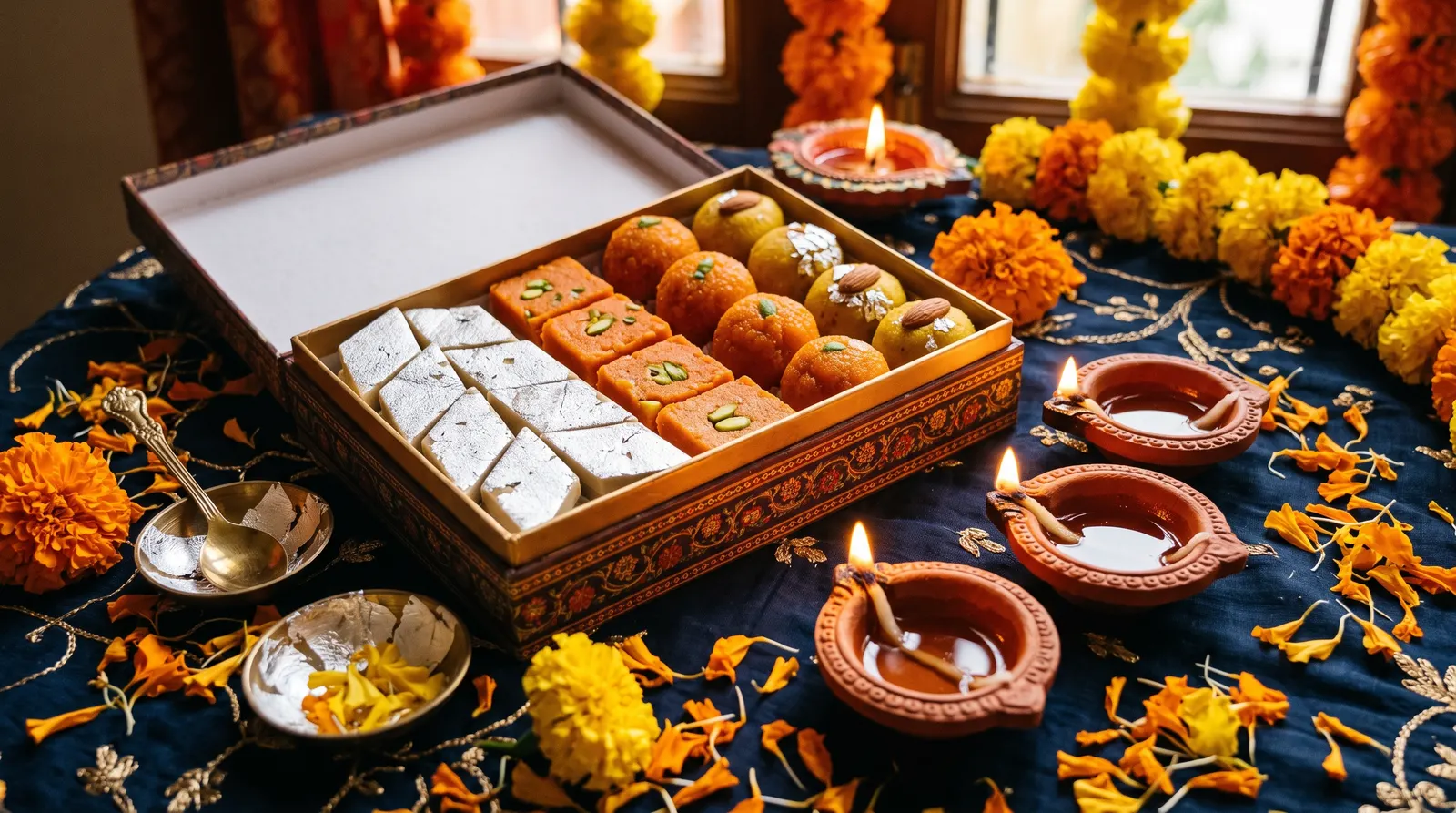
Diwali Foods
Diwali is the festival of lights, and just as surely the festival of sweets. In the weeks before it, sweet sho…
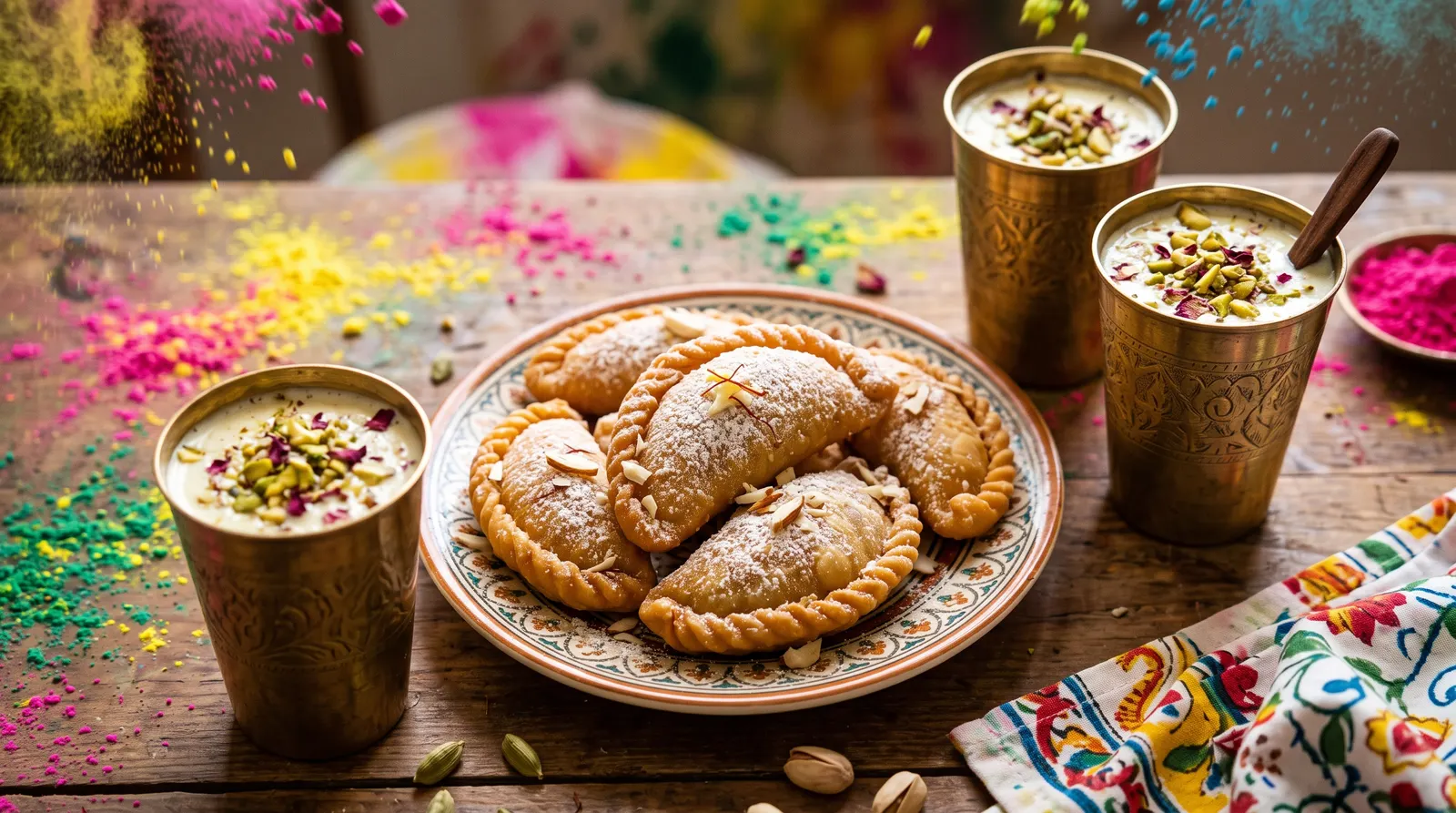
Holi Foods
Holi, the spring festival of colors, arrives with a food spread as recognizable as the powder itself: gujiya f…
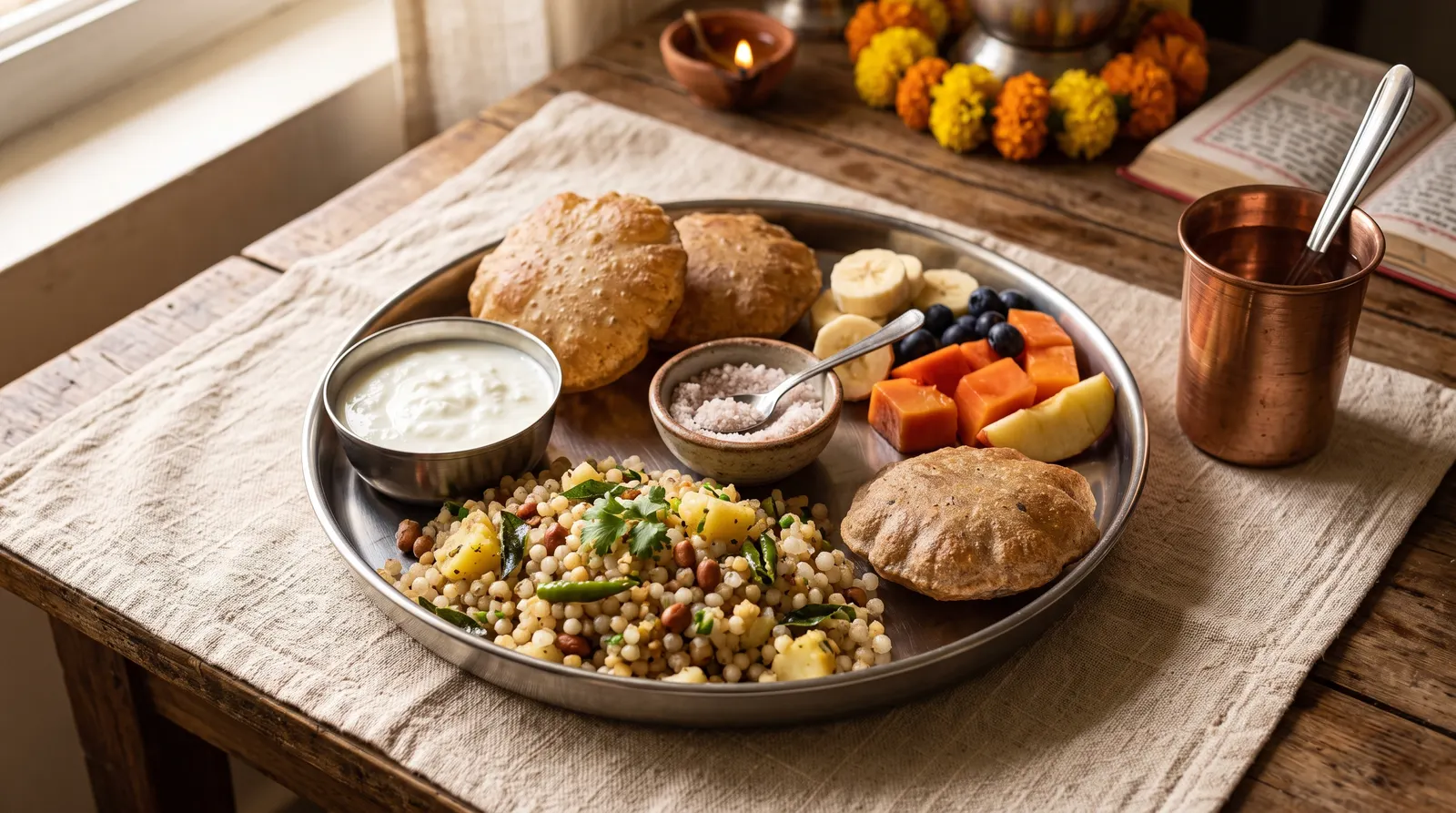
Navratri Fasting Foods
Navratri — nine nights devoted to the goddess Durga — is observed by millions with a fast, called vrat or upva…
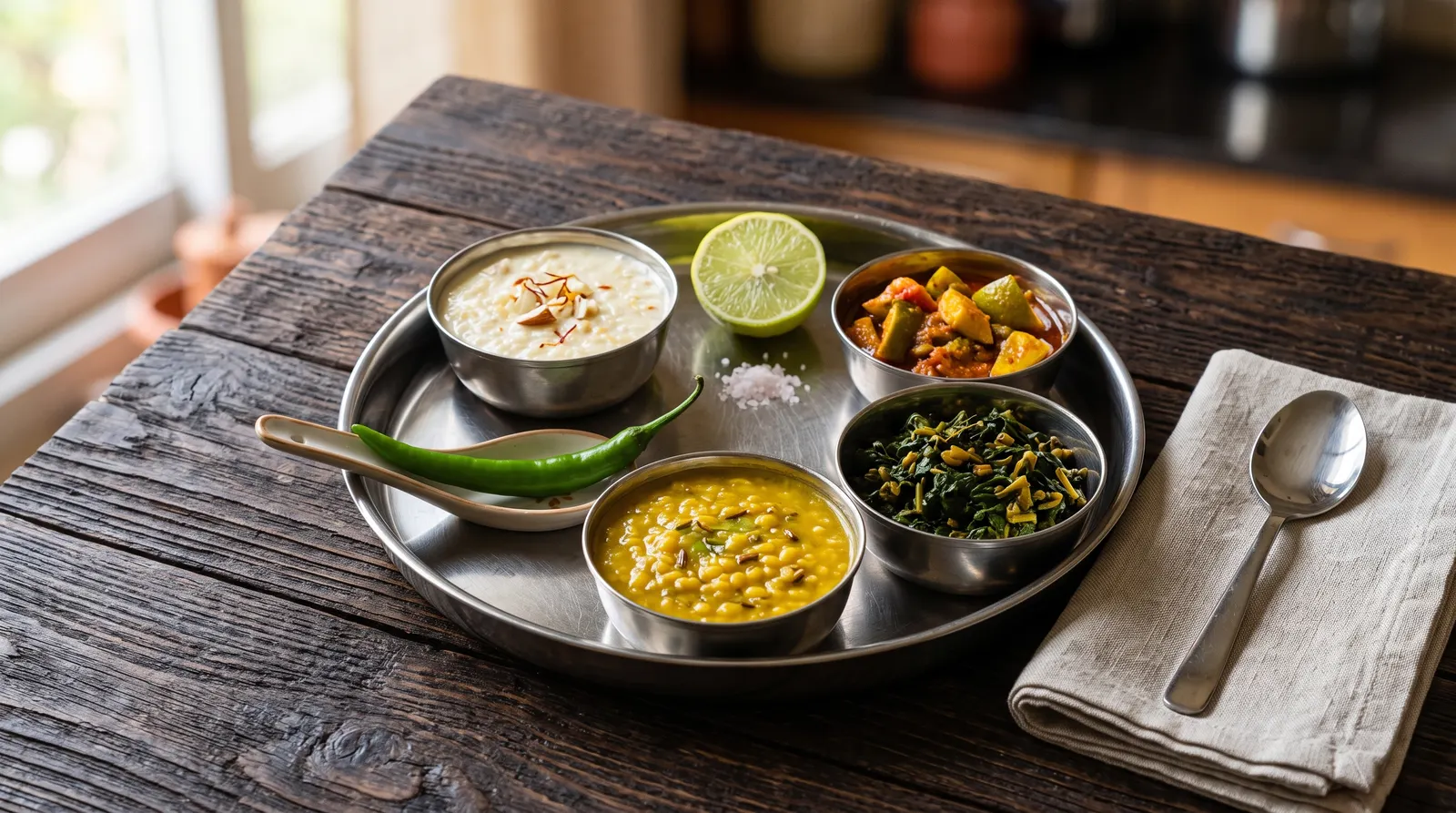
Ayurveda and the Six Tastes
Ayurveda, India's classical system of medicine, sorts everything edible into six tastes — shad rasa: sweet, so…
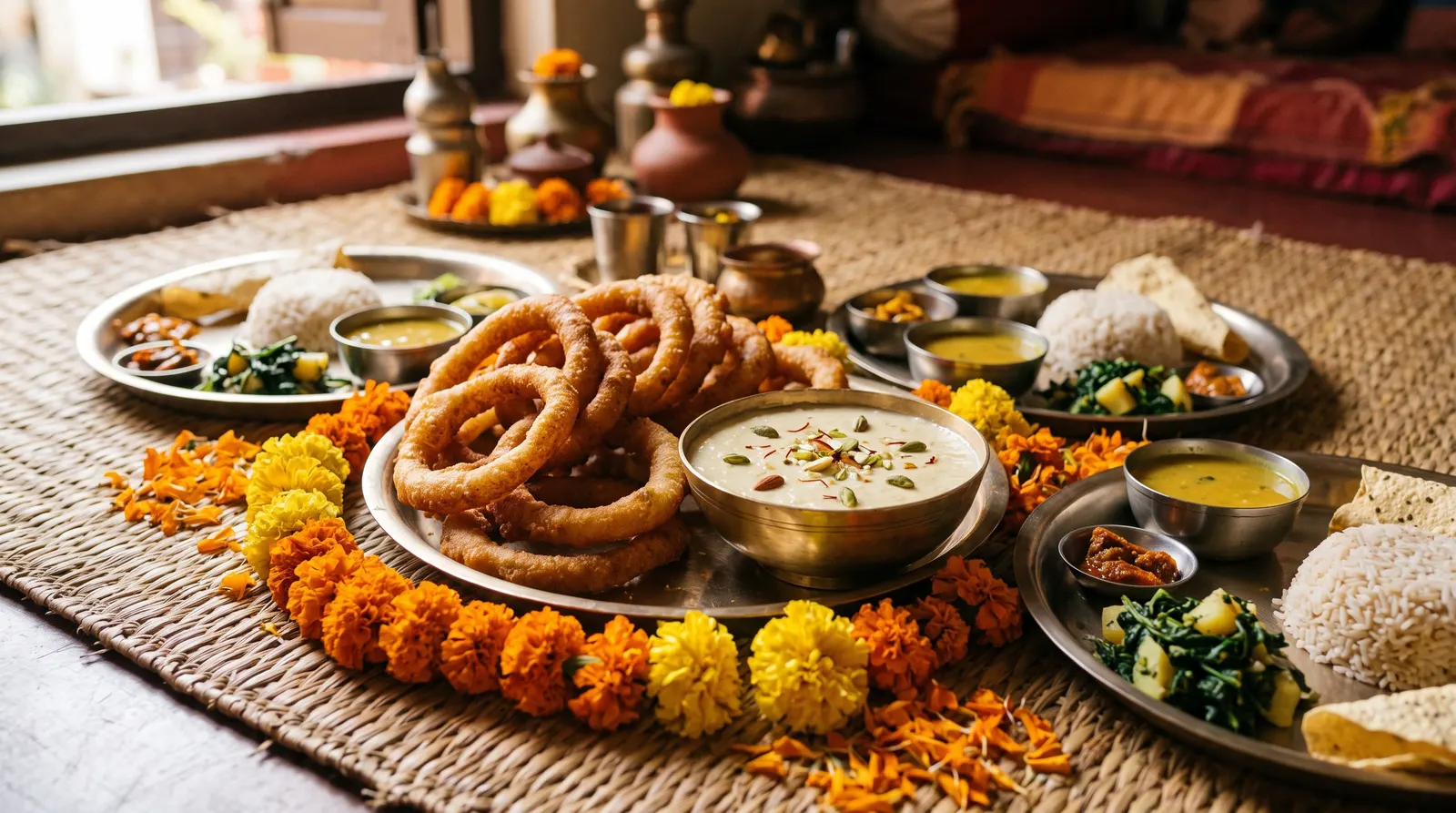
Nepali Festival Foods
Nepal's festival calendar sets its table. Dasain, the country's biggest festival, means goat curry over mounta…
South Asian food is often talked about as if it were one cuisine governed by one set of rules. It is neither. The subcontinent contains many regional kitchens, and the religious and philosophical traditions that shape them differ not only from each other but within themselves. A Gujarati Jain household, a Bengali Vaishnava family, a Nepali Hindu household in the Kathmandu valley and a South Indian temple kitchen may all describe their food as traditional, and the rules they keep are not the same.
The guides in this section are written descriptively. They explain what a tradition is, where it comes from, and how it shows up on a menu or in a shop, without claiming that one practice is the correct one. Where a rule varies by region, community or family, the guide says so. A reader should come away able to recognise a dish, ask a useful question, and understand why a menu might describe something as sattvic or Jain without treating either label as a guarantee.
Two distinctions are worth keeping in mind while reading. The first is between doctrine and practice. A classical text may set out a classification, while the household down the road keeps a slightly different version of it; both are real, and neither invalidates the other. The second is between a tradition’s own account of itself and an outside summary. Where a practice has a textual basis, the guide names the text; where it is primarily customary, the guide says that instead of inventing a scripture for it.
Food rules also carry practical information for a visitor. Fasting days change what a restaurant serves; a Jain menu will avoid root vegetables and often onion and garlic; festival periods bring special dishes and, sometimes, closures. Knowing the calendar and the vocabulary makes it much easier to order well — and to avoid asking a kitchen to break a rule it is keeping. The spice guide covers the ingredients themselves; the dish guide covers what arrives on the plate.